
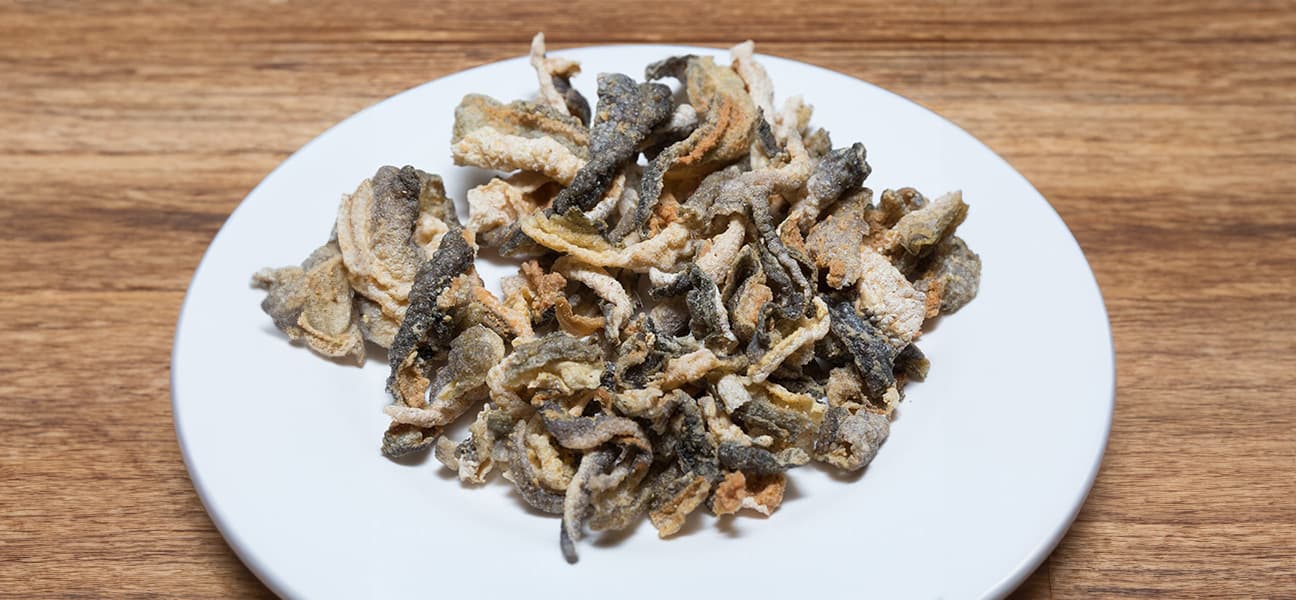
Fried Fish Skin is a widely loved delicious snack, with fish skin as the main ingredient, deep-fried until crispy, emitting an enticing seafood aroma and rich taste. Due to its rich nutrition and unique texture, fried fish skin has become a top choice for many people's gatherings and daily snacks. This fried fish skin eating guide will comprehensively introduce the nutritional components of fried fish skin, different eating methods, preparation techniques, and healthy pairing suggestions, helping you easily enjoy this crispy delicacy at home.
This article will show you:
Nutritional Value of Fried Fish Skin
The main ingredient of Fried Fish Skin is fish skin, which is rich in various nutrients. Here are the nutritional values and health benefits of fried fish skin:
- High Protein: Fish skin contains abundant protein, which helps strengthen muscles and promote cell repair.
- Omega-3 fatty acids: Omega-3 fatty acids in fish skin are beneficial for cardiovascular health and help reduce inflammation.
- Collagen: Fish skin is rich in collagen, which helps skin health and maintains elasticity, and also contributes to bone and joint health.
- Vitamins and minerals: Such as vitamin A, calcium, iron, etc., which have a positive effect on vision, bone, and blood health.
Ways to Eat Fried Fish Skin
Fried fish skin can be eaten in various ways, whether as a snack, paired with main dishes, or added to other dishes, it can enhance the flavor. Here are some common ways to eat Fried Fish Skin:
1. Fried Fish Skin with Salt and Pepper
Sprinkle a little salt and pepper on Fried Fish Skin. This classic combination highlights the savory flavor of the fried fish skin with a slightly spicy taste, suitable as a snack for gatherings or a side dish with drinks.
2. Fried Fish Skin with Salad
Cut Fried Fish Skin into small pieces and add them to a salad made with various lettuces, cucumbers, and tomatoes, then dress with olive oil or low-fat salad dressing. This refreshing combination maintains the crispiness of the fried fish skin and increases the intake of fiber and vitamins from vegetables, making it a balanced and healthy way to eat.
3. Crispy Fried Fish Skin with Salt
Season the fish skin with a small amount of salt and pepper, then coat it with a thin layer of flour or cornstarch before frying. This coated frying method makes the fish skin even crispier and richer in texture, suitable for those who prefer bolder flavors.
4. Fried Fish Skin with Stir-fried Noodles
Cut crispy Fried Fish Skin into thin strips and add them to stir-fried noodles to enhance the texture. Adding minced garlic, green onions, pepper, and other seasonings not only increases the flavor of the stir-fried noodles but also enhances the overall texture, making it a delicious bento or lunch option.
How to Choose High-Quality Fried Fish Skin
When choosing Fried Fish Skin, you should pay attention to the quality and freshness of the ingredients. Here are some tips for selecting fried fish skin:
- Choose fresh fish skin: High-quality fried fish skin should be made from fresh fish skin, avoiding fish skin that has been frozen for too long.
- Check ingredients: When purchasing, check the ingredient list and choose fried fish skin products that do not contain excessive additives and preservatives to ensure health.
- Natural color: Natural fish skin should have a light gray or dark brown color. Avoid purchasing products with overly bright colors, which may contain unnecessary pigments.
- Fresh smell: High-quality fried fish skin should have a fresh seafood aroma without a noticeable fishy smell.
Nutritional Pairing Suggestions for Fried Fish Skin
To maximize the nutritional value of Fried Fish Skin, you can pair it with other nutrient-rich ingredients. Here are some recommended pairings:
1. Fried Fish Skin with Green Vegetables
Fried fish skin can be paired with various leafy green vegetables, such as lettuce, spinach, and bok choy. These vegetables are rich in fiber and vitamin C, which help balance the oil content in fried fish skin, making the overall diet more balanced.
2. Fried Fish Skin with Brown Rice
Cut Fried Fish Skin into small pieces and add them to brown rice, along with some steamed vegetables, to create a nutritionally balanced meal. This pairing can increase satiety and provide enough fiber and carbohydrates for the body.
3. Fried Fish Skin with Tofu Soup
Adding crispy Fried Fish Skin to tofu soup can increase the layers of the soup. The tenderness of the tofu and the crispiness of the fried fish skin create an excellent textural contrast, and this dish is also rich in protein and calcium, making it highly nutritious.
4. Fried Fish Skin with Sweet and Sour Sauce
Sweet and sour sauce can enhance the flavor of fried fish skin, making the taste more layered. Eating Fried Fish Skin dipped in sweet and sour sauce can not only cut through the richness but also bring a different flavor experience, especially suitable for friends who like sweet and sour tastes.
Tips for Cooking Fried Fish Skin
- Control oil temperature: When deep-frying fish skin, the oil temperature is recommended to be controlled between 170-180°C. Too high oil temperature will cause the fish skin to become overly charred, while too low will affect its crispiness.
- Avoid over-frying: The frying time for fish skin should not be too long. It is recommended to fry until the surface is crispy, then remove it to maintain its internal tenderness.
- Drain excess oil: After frying, it is recommended to use kitchen paper towels to absorb excess oil. This can reduce the greasy feeling and make the fried fish skin lighter and more delicious.
Simple Recipe for Homemade Fried Fish Skin
If you want to make Fried Fish Skin at home, you can follow this simple recipe:
Ingredients
- Fish skin 300g
- Salt and pepper to taste
- Cornstarch 2 tablespoons
- Oil to taste (for frying)
Steps
- Prepare the fish skin: Wash and drain the fish skin, then cut it into appropriate sizes with a knife.
- Season and coat: Evenly sprinkle salt and pepper on the fish skin, then coat it with a thin layer of cornstarch. This will make the fish skin crispier.
- Deep-fry: Heat the oil to 170°C, then put the fish skin into the hot oil and fry until golden and crispy, about 3-4 minutes.
- Drain oil: Remove the fried fish skin and place it on kitchen paper towels to absorb excess oil, then it is ready to eat.
Storage Methods for Fried Fish Skin
The storage method of fried fish skin will affect its crispiness and taste. It is recommended to store it in the following ways:
- Airtight storage: Put the fried fish skin into an airtight bag or container to prevent moisture and maintain crispiness.
- Freezing: For long-term storage, you can put the fried fish skin in the freezer, where it can be stored for 1-2 months. Reheat slightly before eating to restore its crispy texture.
- Avoid repeated heating: Repeated heating will affect the taste of fried fish skin. It is recommended to take out an appropriate amount for consumption at one time.
Conclusion
Fried Fish Skin is a nutritious and flavorful snack, suitable for various occasions. With correct cooking techniques and pairing methods, you can easily enjoy the crispy texture of fried fish skin and incorporate it into a healthy diet.
Fried Fish Skin Eating Guide Summary
Topic | Key Points |
Nutritional Value | High protein, Omega-3 fatty acids, collagen, vitamin A, calcium, and iron |
Eating Methods | With salt and pepper, salad, crispy fried with salt, with stir-fried noodles |
Selection Key Points | Choose fresh fish skin, check ingredients, natural color, fresh smell |
Nutritional Pairing Suggestions | Green vegetables, brown rice, tofu soup, sweet and sour sauce |
Homemade Recipe | Fish skin, salt and pepper, cornstarch, oil |
Storage Methods | Airtight storage, freezing, avoid repeated heating |
Frequently Asked Questions
Is fried fish skin suitable for daily consumption?
Fried Fish Skin contains higher fat and calories, so it is not recommended for daily large consumption. Moderate consumption can enjoy its nutritional value, but excessive consumption may lead to health problems such as hyperlipidemia or weight gain.
Why does homemade fried fish skin have a different texture?
The texture of homemade fried fish skin depends on multiple factors, such as the degree of fish skin air-drying, oil temperature, and frying time. Insufficiently air-dried fish skin may not achieve the ideal crispy effect when deep-fried, and too high or too low oil temperature will also affect the texture.
Which fish skins are suitable for making fried fish skin?
Generally, fish skins with more oil and thicker skin, such as salmon skin and tilapia skin, are more suitable for making Fried Fish Skin because they can retain better crispiness and flavor after deep-frying.