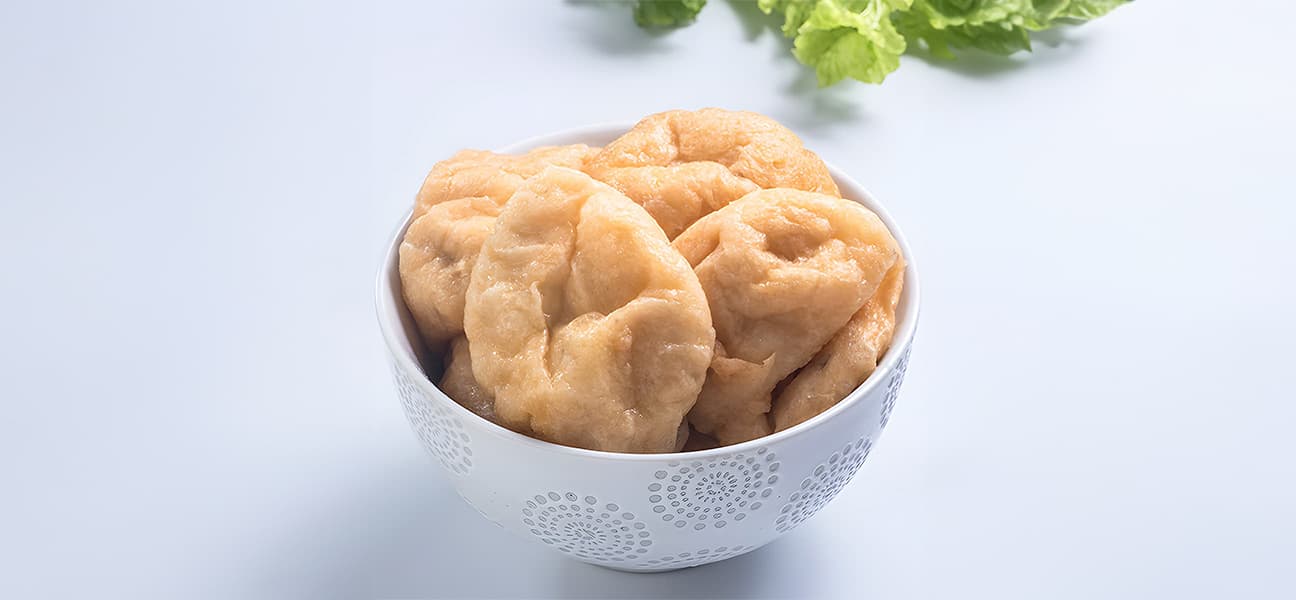
Fish Curd is a popular processed seafood made primarily from fish meat, beaten, seasoned, and steamed. Fish Curd is not only tender and smooth in texture but also rich in protein and other nutrients, making it a common ingredient on many people's tables. In this Fish Curd eating guide, we will introduce the nutritional components of Fish Curd, different ways to eat it, selection tips, and various pairing suggestions to help you better understand and use this delicious ingredient.
This article will show you:
Nutritional Value of Fish Curd
The main ingredient of Fish Curd is fish meat, so it retains the rich nutrients of fish. Here are the main nutritional values and health benefits of Fish Curd:
- High protein: Fish Curd is rich in protein, which helps strengthen muscles and promote cell repair.
- Low fat: Fish Curd usually has a lower fat content than red meat, making it suitable for those who are health-conscious and want to control their weight.
- Omega-3 fatty acids: Beneficial for cardiovascular health and good for brain development and cognitive function.
- Vitamins and minerals: Such as vitamin B12, phosphorus, and calcium, which have a positive impact on bone and nervous system health.
Ways to Eat Fish Curd
Fish Curd can be cooked in various ways, depending on personal taste and cooking needs. Here are several common ways to eat Fish Curd:
1. Soup
Fish Curd soup is a healthy and simple way to cook. Add Fish Curd to clear soup or bone broth, along with green vegetables and a little shredded ginger. This way, you can enjoy the fresh sweetness of Fish Curd and retain its nutrients. When cooking soup, you can add a little salt and pepper to taste to make the soup more layered.
2. Hot Pot Ingredient
Fish Curd is a classic ingredient in hot pot. Its chewy texture becomes even softer and more delicious after being blanched in high heat. Put Fish Curd into boiling hot pot, blanch it slightly until the surface is slightly puffed, then it's ready to enjoy. This way of eating is especially suitable for winter gatherings.
3. Pan-frying
Pan-frying can enhance the flavor and texture of Fish Curd. Pan-fry Fish Curd with a small amount of oil until golden brown, then add sliced garlic and chili and stir-fry. It will not only be fragrant but also crispy on the outside and tender on the inside, especially suitable with white rice or as a side dish.
4. Steamed Fish Curd
Steamed Fish Curd retains its original tender and smooth texture and does not require extra oil. Heat Fish Curd in a steamer, then add a little chopped green onion and soy sauce. This method is especially suitable for those who prefer a light diet.
How to Choose High-Quality Fish Curd
When choosing Fish Curd, pay attention to quality and ingredients to ensure the freshness and health of the food. Here are some tips for choosing Fish Curd:
- Check ingredients: High-quality Fish Curd should have fish meat as its main ingredient. Avoid products with too many additives.
- Pay attention to origin: Choose well-known brands or Fish Curd from reliable origins to help ensure product quality and safety.
- Observe color and texture: Fresh Fish Curd should be light white, with a delicate texture and good elasticity. Avoid choosing products with dark colors or loose textures.
- Smell: High-quality Fish Curd should have a faint fish aroma, not a fishy smell.
Nutritional Pairing Suggestions for Fish Curd
To maximize the nutritional value of Fish Curd, consider pairing it with other ingredients. Here are some healthy and delicious pairing suggestions:
1. Fish Curd with Leafy Greens
Pairing Fish Curd with leafy greens such as spinach and bok choy not only adds fiber but also supplements vitamins and minerals, making the overall diet more balanced. This pairing is especially popular in hot pot or soups.
2. Fish Curd Scrambled Eggs
Cut Fish Curd into small pieces and scramble with egg liquid. This is a simple and nutritious home-cooked dish. The chewiness of Fish Curd and the tenderness of eggs combine to make this dish rich in texture and protein.
3. Fish Curd Salad
Slice steamed Fish Curd and pair it with various lettuces, tomatoes, and carrots, then add low-fat salad dressing. This is both healthy and refreshing. This salad is suitable as a light meal option during weight loss.
4. Fish Curd Stewed Tofu
Stewing Fish Curd with tofu can make the texture richer, and the two complement each other nutritionally. Stew Fish Curd and tofu with spices such as green onion, ginger, and garlic to enhance the flavor of the soup. This is a healthy dish suitable for the whole family.
Tips for Cooking Fish Curd
- Avoid prolonged cooking: Fish Curd will become loose if cooked for too long. It is recommended to control the cooking time within 5 minutes to maintain its elastic texture.
- Light seasoning: Fish Curd itself has a natural umami flavor. When cooking, reduce the use of salt to retain the original taste of the ingredients.
- Even heating: When pan-frying, pay attention to flipping the Fish Curd to ensure even heating, achieving a golden color and enhancing the aroma.
Simple Homemade Fish Curd Recipe
If you want to enjoy a more natural flavor, you might as well try making Fish Curd yourself. Here is a simple homemade Fish Curd recipe:
Ingredients
- 500g fresh fish meat (such as sea bass or tilapia)
- 1 egg white
- Cornstarch 2 tablespoons
- Salt and pepper to taste
- A little chopped green onion and ginger
Steps
- Process the fish meat: Remove the skin and bones from the fish meat, cut into pieces, and put it into a blender to make a fish paste.
- Add seasoning: Add egg white, cornstarch, salt, pepper, and chopped green onion and ginger to the fish paste, and stir evenly until sticky.
- Shape: Pinch the fish paste into balls or other desired shapes.
- Steam: Steam the Fish Curd in a steamer for about 10 minutes until cooked through, then it's ready to eat. You can put it in soup or serve it with sauce.
Storage Methods for Fish Curd
To maintain the freshness and texture of Fish Curd, it is recommended to store it in the following ways:
- Frozen storage: Fish Curd can be frozen after it is made and stored in a sealed bag for 1-2 months.
- Ready-to-eat storage: Fresh Fish Curd should be eaten as soon as possible to avoid spoilage. If it needs to be stored, it is recommended to refrigerate it and consume it within 2 days.
- Avoid repeated freezing: Thawed Fish Curd should not be refrozen to avoid affecting the taste and texture.
Conclusion
Fish Curd is a nutritious and versatile ingredient. Whether in soup, hot pot, pan-fried, or steamed, it can present its unique flavor. Through correct selection, cooking, and pairing methods, the nutritional value of Fish Curd can be maximized to meet your health needs.
Fish Curd Eating Guide Summary
Topic | Key Points |
Nutritional Value | High protein, low fat, contains Omega-3 fatty acids, vitamin B12 |
Eating Methods | Various methods such as soup, hot pot, pan-frying, steaming |
Selection Key Points | Check ingredients, origin, color and texture, smell |
Nutritional Pairing Suggestions | Leafy greens, scrambled eggs, salad, stewed tofu and other pairings |
Homemade Recipe | Fish meat, egg white, cornstarch, salt, chopped green onion and ginger |
Storage Methods | Frozen for 1-2 months, refrigerated for 2 days for immediate consumption |
Frequently Asked Questions
Does Fish Curd contain preservatives?
Some commercially available Fish Curd contains preservatives, but some brands also offer natural, additive-free options. When purchasing, it is recommended to carefully read the ingredient label and choose products that meet your health needs.
Who is Fish Curd suitable for?
Fish Curd富含蛋白質和Omega-3脂肪酸,適合大多數人食用。但對海鮮過敏者應避免食用。此外,關注鈉攝取的消費者應查看標示,選擇較低鈉的產品。
How to prevent Fish Curd from hardening after cooking?
Fish Curd will harden if cooked for too long. It is recommended to blanch it slightly in soup or hot pot until it floats, then it's ready to eat, to maintain its elasticity and tender texture.