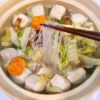

在廣東火鍋、煲湯或是家常菜餚中,蝦滑一直是一種備受喜愛的食材。它以蝦肉為主,吃起來爽脆彈牙,既能凸顯蝦的鮮甜滋味,也能靈活搭配各類料理。想要在家做出媲美餐館的蝦滑做法,除了材料挑選外,還需掌握關鍵的處理細節與比例均衡。以下整理了完整的製作流程與Shrimp Paste秘訣,從選料、技巧到延伸應用,讓你一次掌握。
This article will show you:
Choosing shrimp and freshness
The quality of the shrimp largely determines the final texture of the dish. It is recommended to choose fresh sea shrimp with transparent, shiny shells, firm and elastic bodies, and a light, sweet, non-fishy smell. If using frozen shrimp, be sure to check if it has been defrosted multiple times to avoid a loose texture. The fresher the shrimp, the more elastic the shrimp paste will be.
Dryness and low temperature
After shelling the shrimp, thoroughly pat them dry. Excess moisture will affect their gelling properties and bouncy texture. It is recommended to keep the entire process at a low temperature, ideally stirring in ice water or placing the mixing bowl on ice to prevent the shrimp from losing stickiness due to heat. This step is one of the hidden techniques for preparing successful shrimp paste.
Add-ins: keep it minimal
While pure shrimp can form a paste, to ensure both texture and stability, a small amount of starch, egg white, or minced fatty pork is often added to the mixture.
- Starch helps retain moisture and increases flexibility.
- Egg white enhances delicacy.
- A small amount of lard or chicken fat can add aroma and lubrication.
The proportions must be carefully controlled to avoid overpowering the natural flavor of the fresh shrimp. This is the important principle of "trade-off" in shrimp paste secrets.
Salt-for-structure and mixing direction
During the preparation process, salt is an essential seasoning and structuring agent. After adding a little salt, stir continuously in one direction to help proteins release stickiness and form a gel-like shrimp paste. Avoid stirring back and forth, as this will lead to a loose consistency and loss of smoothness and bounce.
Shrimp paste ingredient proportions
A common and suitable shrimp paste ingredient ratio for home use is:
- Shrimp: 500 grams
- Egg white: 1
- Starch: 10 grams
- Salt: 3 grams
- White pepper: a pinch
- Scallion and ginger water: 15 ml
These can be adjusted according to personal taste. For example, if you prefer a refreshing taste, you can reduce the starch to emphasize the pure shrimp elasticity; if you prefer a smooth and delicate texture, you can slightly increase the proportion of egg white.
Proportions and staged additions
- Egg white: 3%–5% of shrimp weight
- Starch: 2%–3% of shrimp weight
- Fats (lard or chicken fat): about 5–8 grams
These proportions allow the shrimp to maintain elasticity without losing its original fresh flavor due to excessive additives.
Shaping and heat control
Once the shrimp paste is ready, use a spoon or your hands to form small balls, place them in boiling water to set, then reduce to a simmer. Too high a heat will cause the shrimp balls to become rough or even break on the surface, while a moderate temperature will keep the exterior smooth and the interior cooked but not dry.
Storage, thawing, and food safety
If making too much at once, the shrimp paste can be divided into small portions and frozen. Be sure to freeze it as quickly as possible to avoid prolonged exposure to room temperature. Before eating, it should be thawed naturally in the refrigerator. Repeated freezing or rapid thawing with hot water is not recommended, as it may affect the texture and food safety.
Serving extensions and nutrition pairing
Shrimp paste has a wide range of uses:
- Boiling in hotpot best showcases its sweet and bouncy texture.
- Cooking with vegetables and mushrooms in soup brings out a refreshing flavor.
- Making shrimp cakes or shrimp ball pasta can also enrich meal variations.
Nutritionally, shrimp is high in protein and low in fat, and pairing it with vegetables can balance fiber and vitamins. It is recommended to avoid excessive stacking with high-cholesterol ingredients to maintain a refreshing and healthy diet.
Conclusion
To successfully make bouncy and delicious shrimp paste, the key lies in the freshness of the ingredients, the dryness and low temperature, proper stirring and proportions, mastering the heat, and effective storage methods. By mastering these details step by step, you can achieve a texture comparable to that of professional restaurants, even at home.
Summary Table
Point | Key Details |
Choosing shrimp and freshness | Bright and transparent shell, firm body, no fishy smell or black spots |
Dry water and low temperature | Pat dry shrimp, maintain low temperature throughout |
Additive trade-offs | Starch for moisture retention, egg white for delicacy, lard for aroma, but not too much |
Salt and stirring | Salt helps gelling, stir in one direction to avoid looseness |
Ingredient ratio range | Egg white 3–5%, starch 2–3%, fat 5–8 grams |
Shaping and heat control | Simmer to set, avoid high heat for roughness or breakage |
Storage and food safety | Freeze in portions, thaw in refrigerator, avoid repeated freezing |
Extensions and pairings | Hotpot, soup, pancakes, healthier with vegetables |
Frequently Asked Questions
Is starch necessary for shrimp paste?
Not necessarily, it depends on personal taste. If you want to emphasize the pure elasticity of shrimp, you can omit it; however, a small amount of starch can increase stickiness and moisture retention.
Can shrimp paste be made with a food processor?
Yes, but it is recommended to do it in stages at a low speed and maintain a low temperature to prevent the shrimp from turning white and losing elasticity due to overheating.
Can shrimp paste retain its elasticity after freezing?
As long as the proportions are correct and the mixture is frozen quickly, the texture will remain bouncy. However, it should be thawed naturally in the refrigerator; thawing with hot water or a microwave is not recommended.