
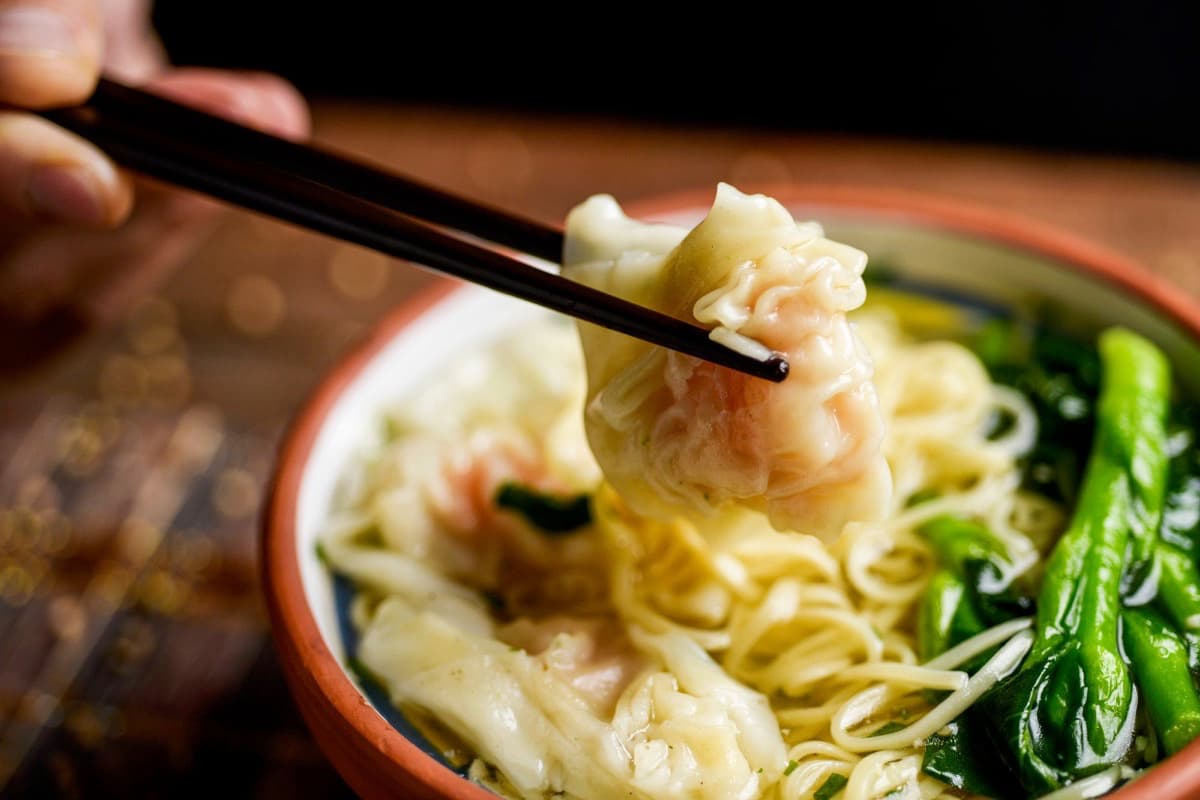
Shrimp wonton pairing is an indispensable part of Hong Kong's culinary culture, emphasizing the sweetness of the broth, the soul of the sauce, and the just-right accompaniments. This article will delve into the authentic standardized details of Hong Kong-style shrimp wonton broth, a comparison of classic famous restaurant styles, common broth types and preparation essentials, and extend to the situational application of recommended wonton sauces, the texture design of wonton side dishes, the logic of diverse eating methods, and nutritional and healthy alternatives. Finally, it will provide reproducible steps and a checklist for home use.
This article will show you:
Authentic Broth Standardization Details
The broth for Hong Kong-style wontons must be clear and non-greasy, with a fresh and sweet taste that is not cloying. Classic recipes typically involve simmering pork bones, chicken bones, and shrimp shells for 4 to 6 hours. Standardization details include:
- Ingredient Ratio: Pork bones to chicken bones ratio is approximately 3:2, with shrimp shells making up about 10% by weight.
- Heat Control: Maintain a medium-low heat throughout to prevent the broth from becoming cloudy.
- Seasoning Rhythm: Salt must be added only in the last 10 minutes to preserve the original fresh sweetness.
Comparison of Classic Famous Restaurant Styles
Some famous restaurants, such as "Ho Hung Kee" in Central, have a broth that leans towards a clear sweetness, while "Tak Kee" in Tsuen Wan uses a higher proportion of shrimp shells, resulting in a golden broth with a rich shrimp aroma. "Ah Tim Wonton" in Kwun Tong prefers to use dried scallops to enhance the seafood layers. These differences reflect the individuality of famous restaurants and the taste preferences of their customer base.
Broth Types and Preparation Essentials
Common Hong Kong-style broths are divided into three main categories:
- Sweet Type: Primarily chicken bones, with added daikon radish, resulting in a clear broth.
- Rich Type: Increased proportion of pork bones, more shrimp shells, suitable for those who prefer stronger flavors.
- Seafood Type: Added dried scallops and bonito flakes, offering rich layers of flavor.
Preparation essentials include: blanching bones in advance to remove impurities, using onions or spring onions to neutralize greasiness, and skimming off floating oil after cooling to enhance freshness.
Situational Sauce Pairings
Wonton sauce recommendations are not limited to soy sauce or chili sauce; situational pairings can enhance the dining experience:
- Street Food Fast Casual Setting: Paired with chili oil and Chinkiang vinegar for an invigorating kick.
- Family Dinner Setting: Served with fragrant scallion and minced garlic sauce for an aromatic experience.
- Banquet Setting: Accompanied by XO sauce to elevate the sense of luxury.
Texture Design of Side Dish Choices
The core of wonton side dish pairing is balancing textures:
- Crisp Type: Added bok choy, bean sprouts for a refreshing crunch.
- Soft Type: Egg skin, mushrooms, adding a mellow feel to the broth.
- Neutral Type: Wood ear mushrooms and corn, which don't overpower the flavor and add layers.
Extended Eating Methods and Pairing Logic
Besides being eaten in soup, fresh shrimp wontons can also be:
- Pan-fried: Crispy skin, served with sweet and spicy teriyaki sauce.
- Cold Salad: Paired with sesame sauce and cucumber shreds, refreshing for summer.
- Hot Pot Pairing: Cooked in hot pot, served with self-mixed dipping sauces.
The pairing logic lies in selecting complementary sauces and side dishes based on the cooking method, preserving the original flavor of the fresh shrimp.
Nutrition and Healthy Alternatives
For those with low-fat healthy eating needs, the following alternatives can be used:
- Use pork spine instead of large bones for the broth to reduce fat.
- Reduce salt in sauces, using lemon juice or apple cider vinegar to replace part of the sourness.
- Use more dark leafy vegetables as side dishes to supplement dietary fiber and antioxidants.
Reproducible Steps and Checklist for Home Use
Steps:
- Blanch bones to remove impurities.
- Add ingredients (bones, shrimp shells, vegetables) and simmer slowly.
- Skim oil and season.
- Add side dishes and pair with situational sauces.
Checklist:
- Broth: Pork bones, chicken bones, shrimp shells, daikon radish, spring onions, dried scallops (optional).
- Sauces: Chili oil, Chinkiang vinegar, minced garlic, XO sauce.
- Side Dishes: Bok choy, bean sprouts, egg skin, mushrooms.
Conclusion
Through standardized broth design, paired with situational sauces and balanced side dish pairings, fresh shrimp wonton pairings can easily replicate the flavor of Hong Kong's famous restaurants at home, and be flexibly substituted according to health needs.
Item | Key Points | 示例 |
Broth | Clear, sweet, shrimp aroma | Pork bone + chicken bone + shrimp shell standard ratio |
Sauces | Situational and varied | Chili oil for street food, XO sauce for banquets |
Side Dishes | Balanced texture | Crispy bok choy, soft mushrooms |
Extended eating methods | Diverse applications | Pan-fried, cold salad, hot pot |
Healthy alternatives | Low fat, low salt | Pork spine broth, lemon juice sauce |
Frequently Asked Questions
Can instant broth be used for fresh shrimp wonton broth?
Yes, but the flavor will be diminished. It is still recommended to simmer natural bone broth and shrimp shells to enhance the layers of flavor.
Are there fixed pairings for wonton side dishes?
There are no fixed pairings. You can choose crispy or soft vegetables according to personal taste.
How can sauces avoid overpowering the fresh taste of the shrimp?
Choose light-flavored, slightly aromatic sauces, avoiding overly strong sour or spicy notes, to preserve the original fresh taste of the shrimp.

